What happens when a child is born and does not meet society‘s expectations of how girls or boys should look?
Intersex individuals are estimated to make up almost 2% of the worldwide population. Caring about Intersex health and inclusion cannot be an afterthought anymore.
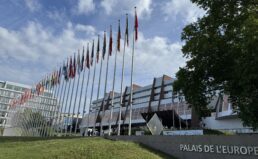
The Human Rights Commissioner of the Council of Europe released an important issue paper on the situation of Intersex people in Europe; the UN committee on torture has begun issuing strong recommendations to European countries about the topic. It is time to react.
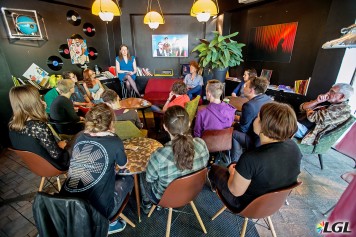
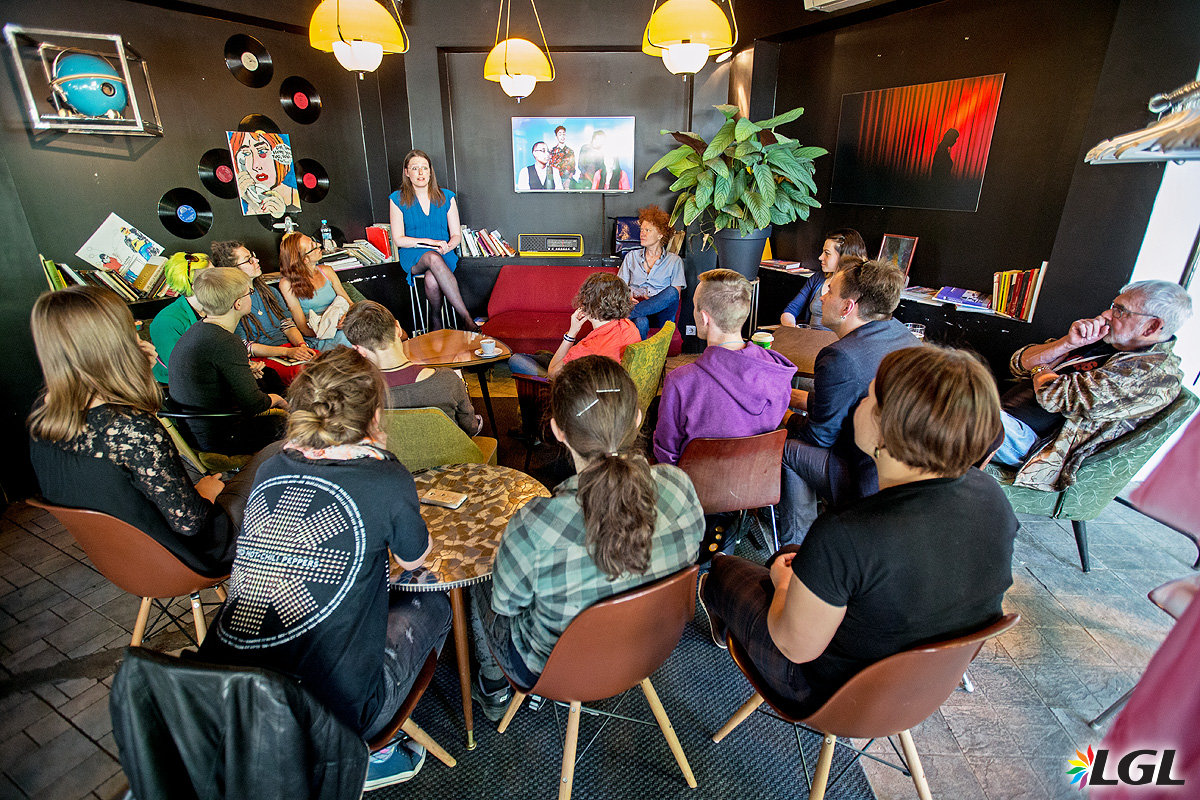
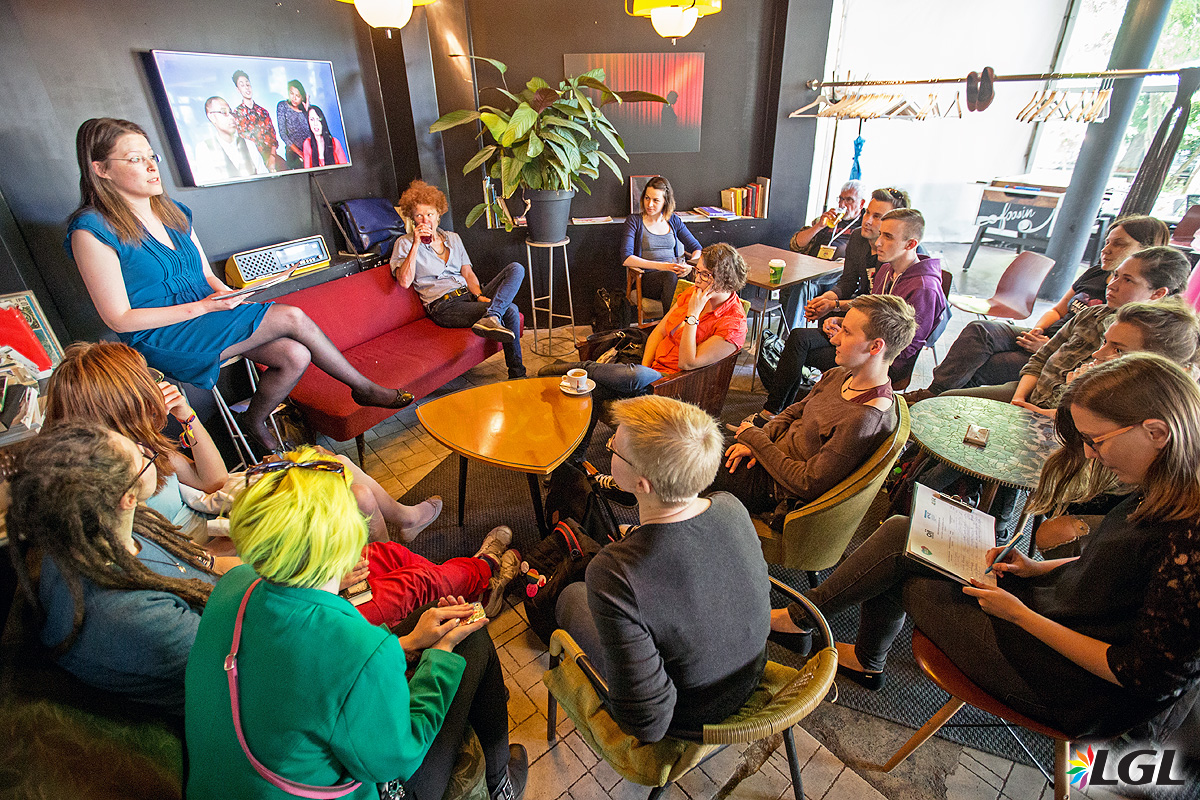
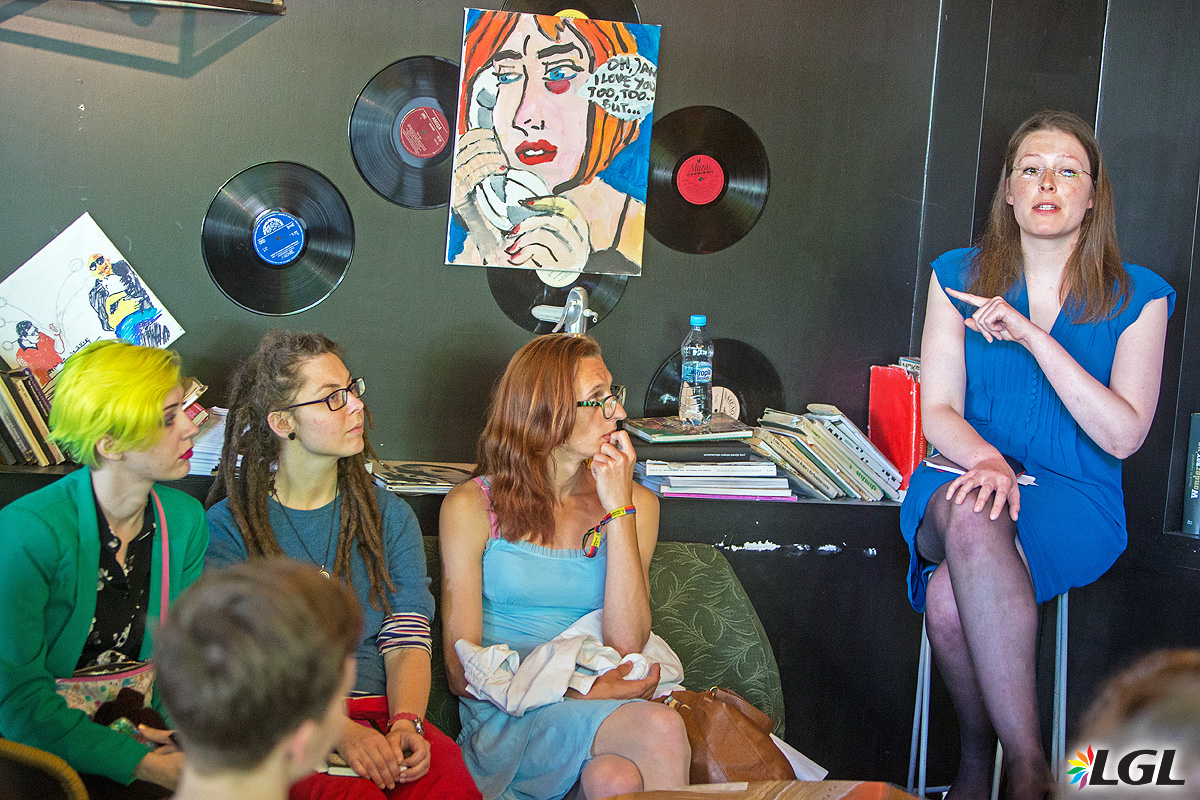
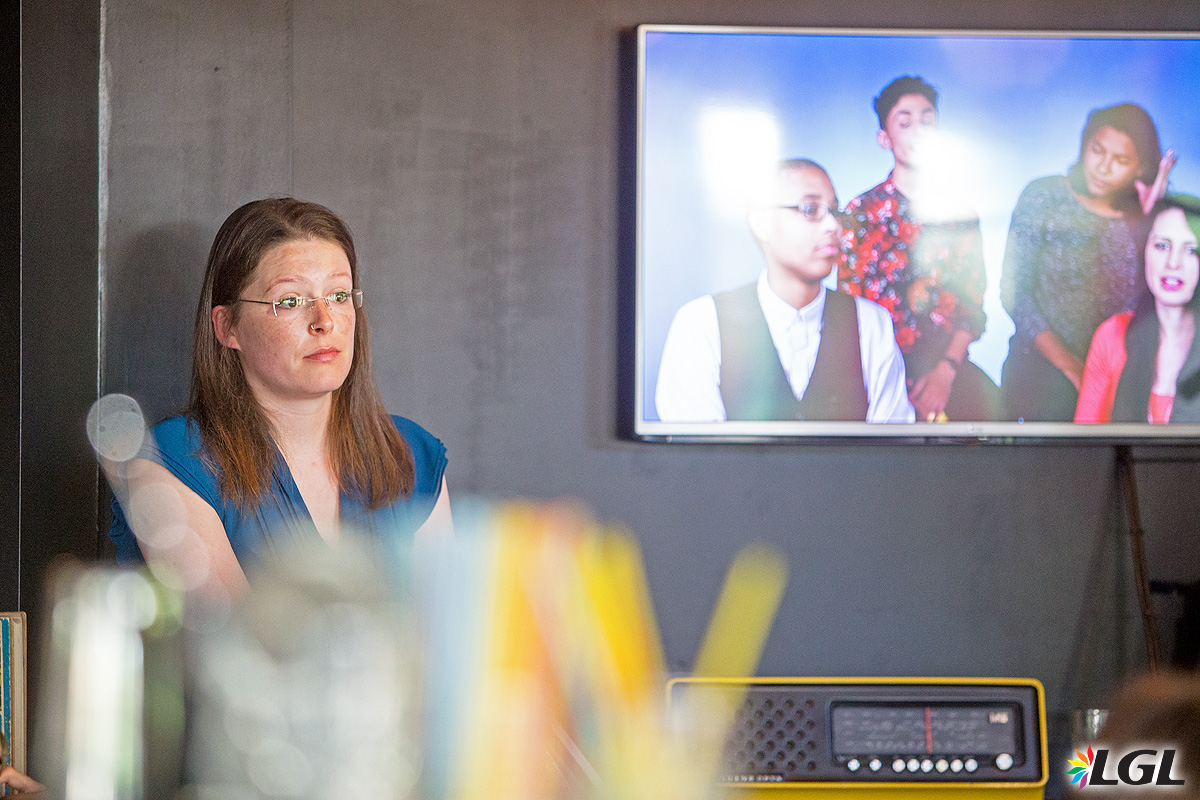
On 13th June, 2016 Kitty Anderson, from the Organisation Intersex International Europe (OII Europe), explored what the Intersex community faces: from human rights violations to surgical non-consensual gender assignment, and their short and long term consequences.
-

- @Augustas Didžgalvis
-

- @Augustas Didžgalvis
-

- @Augustas Didžgalvis
-

- @Augustas Didžgalvis
-

- @Augustas Didžgalvis
-

- @Augustas Didžgalvis
-

- @Augustas Didžgalvis
-
- @Augustas Didžgalvis
-

- @Augustas Didžgalvis
-

- @Augustas Didžgalvis