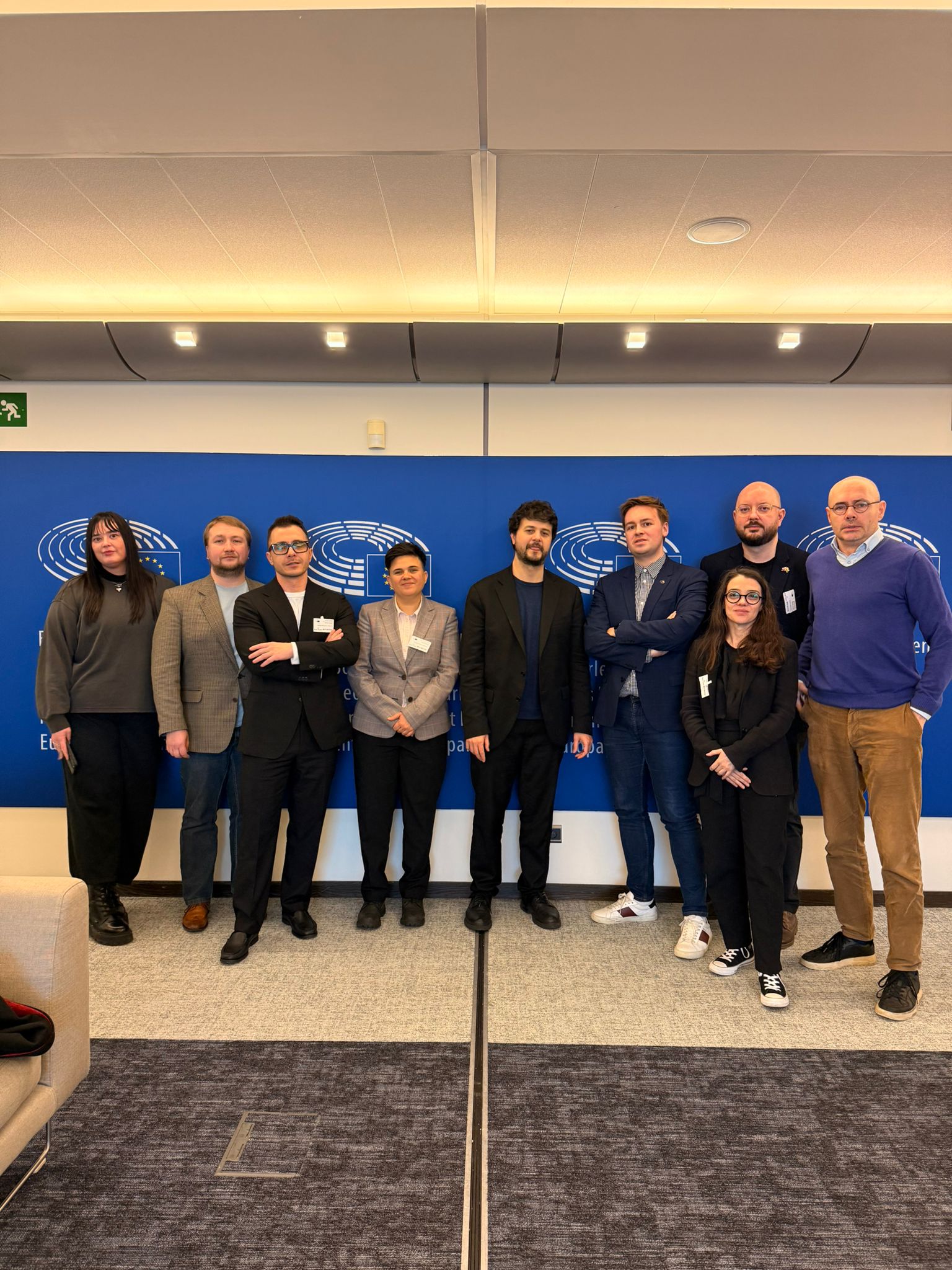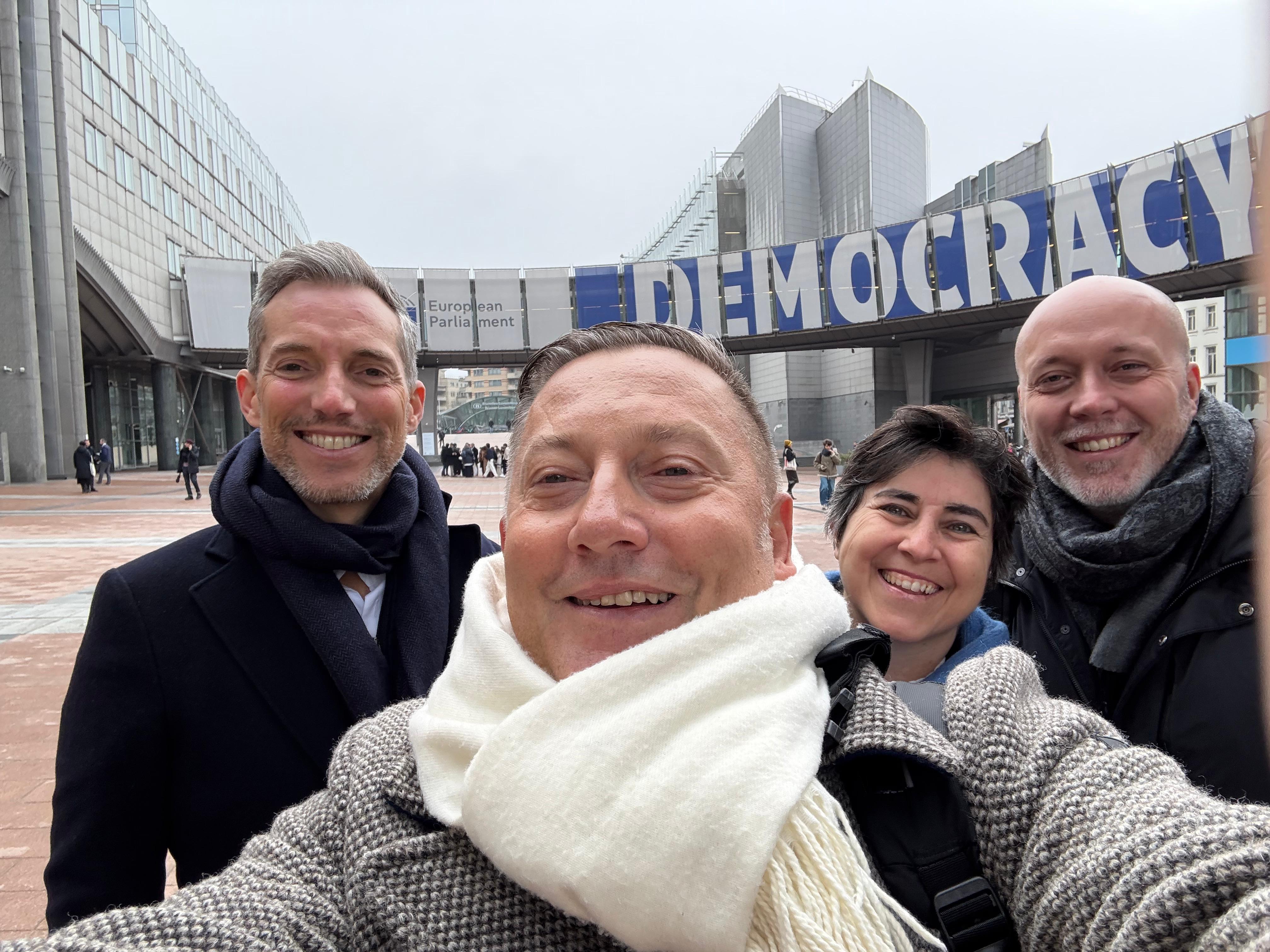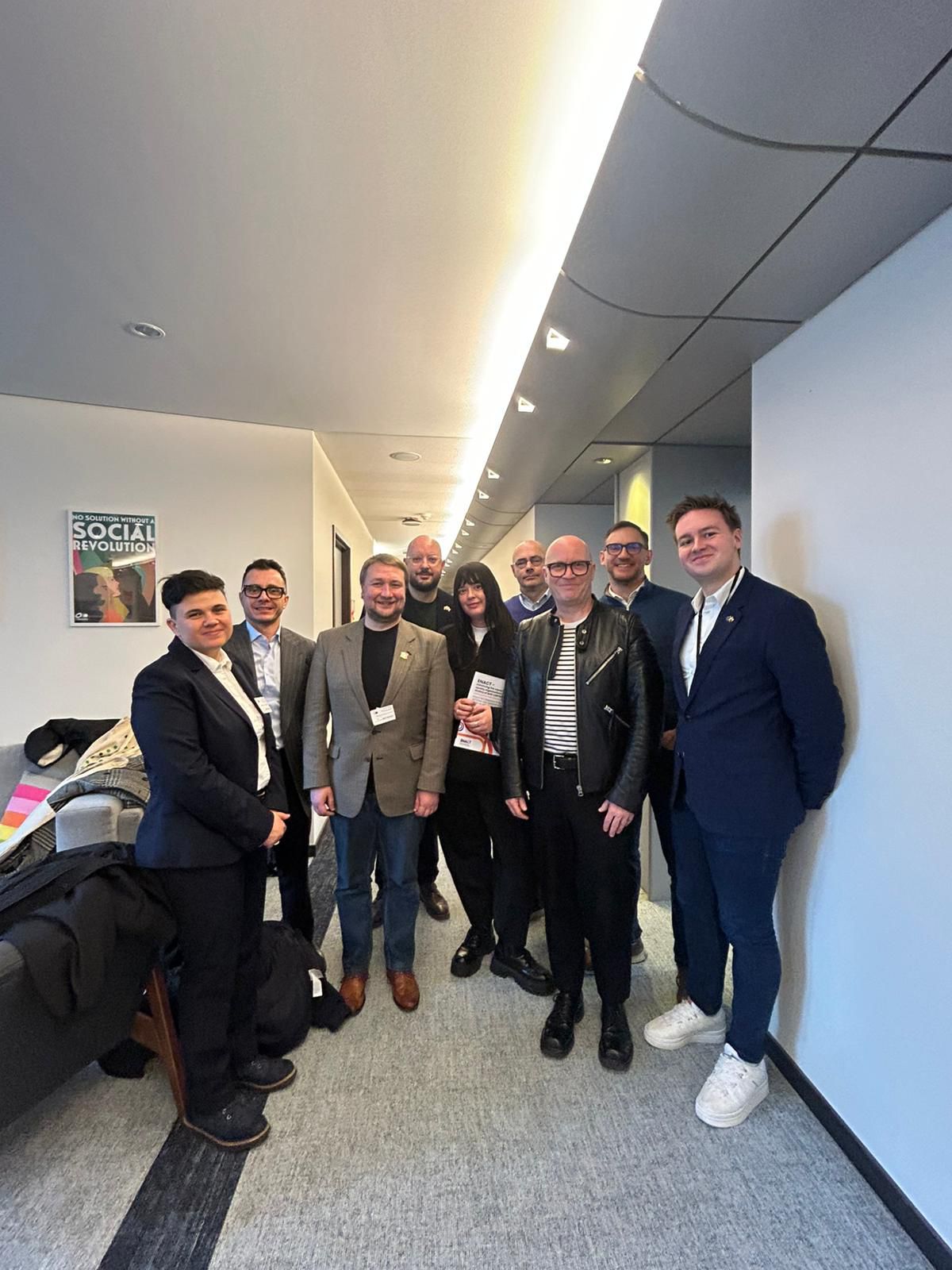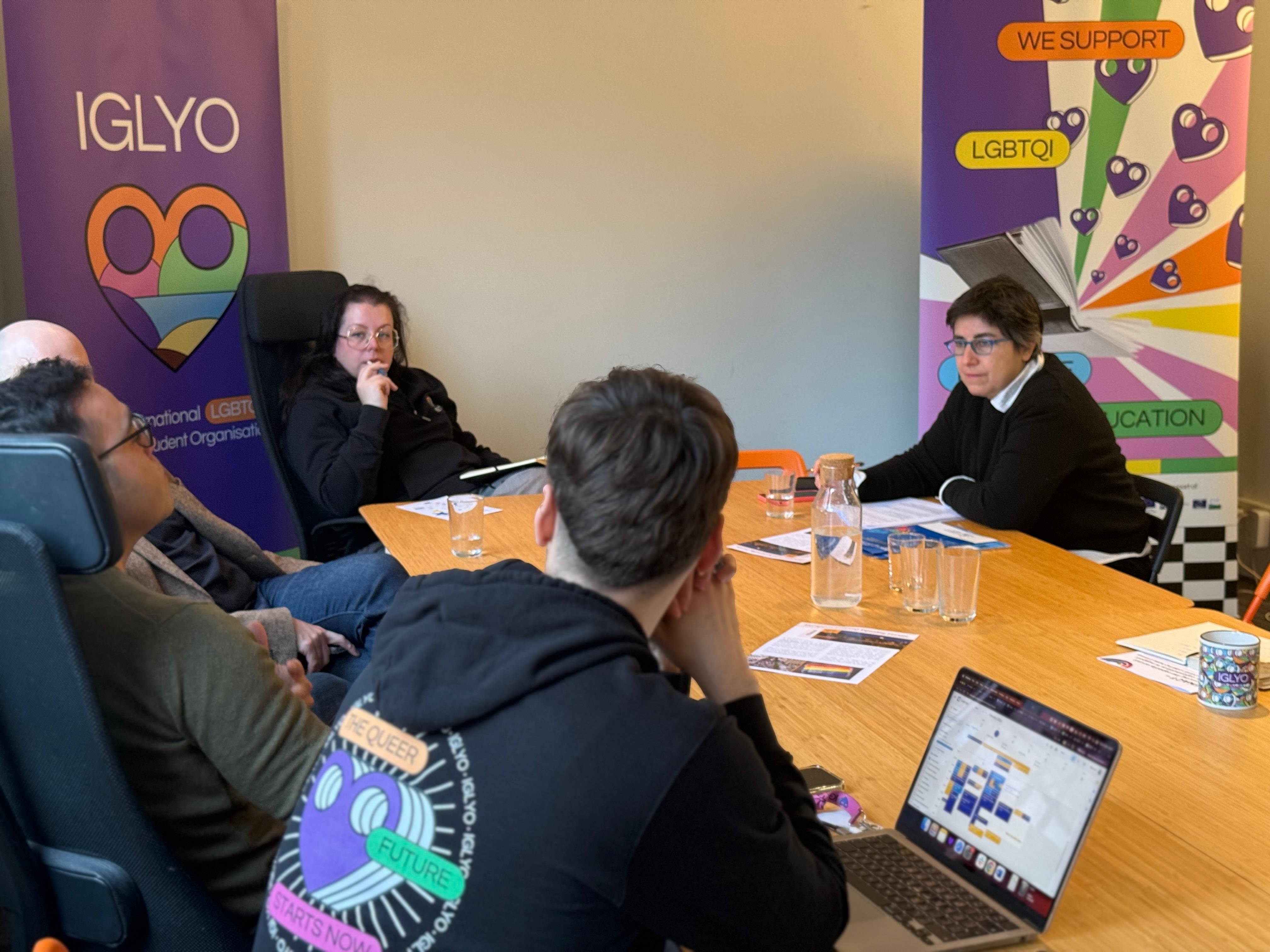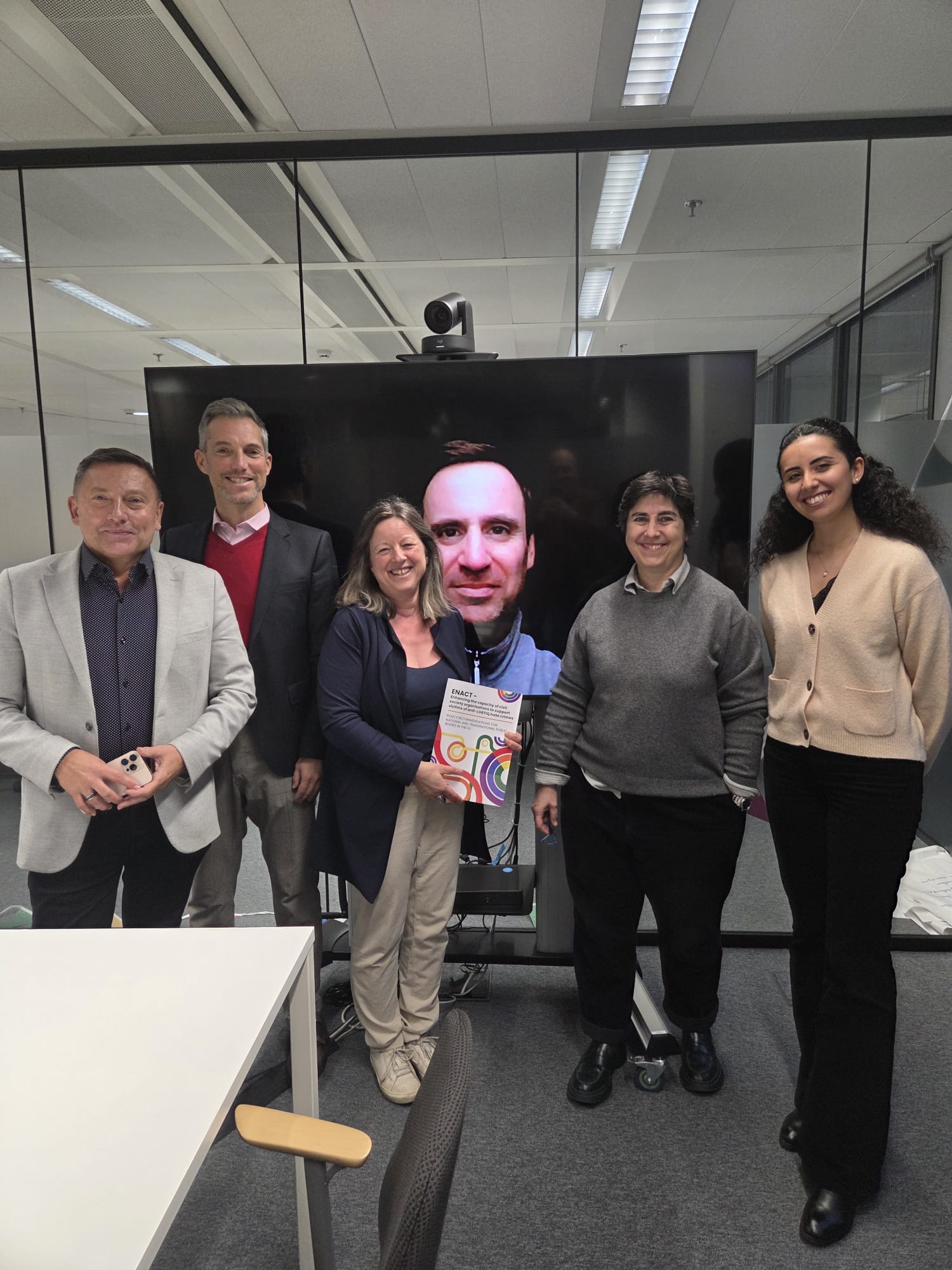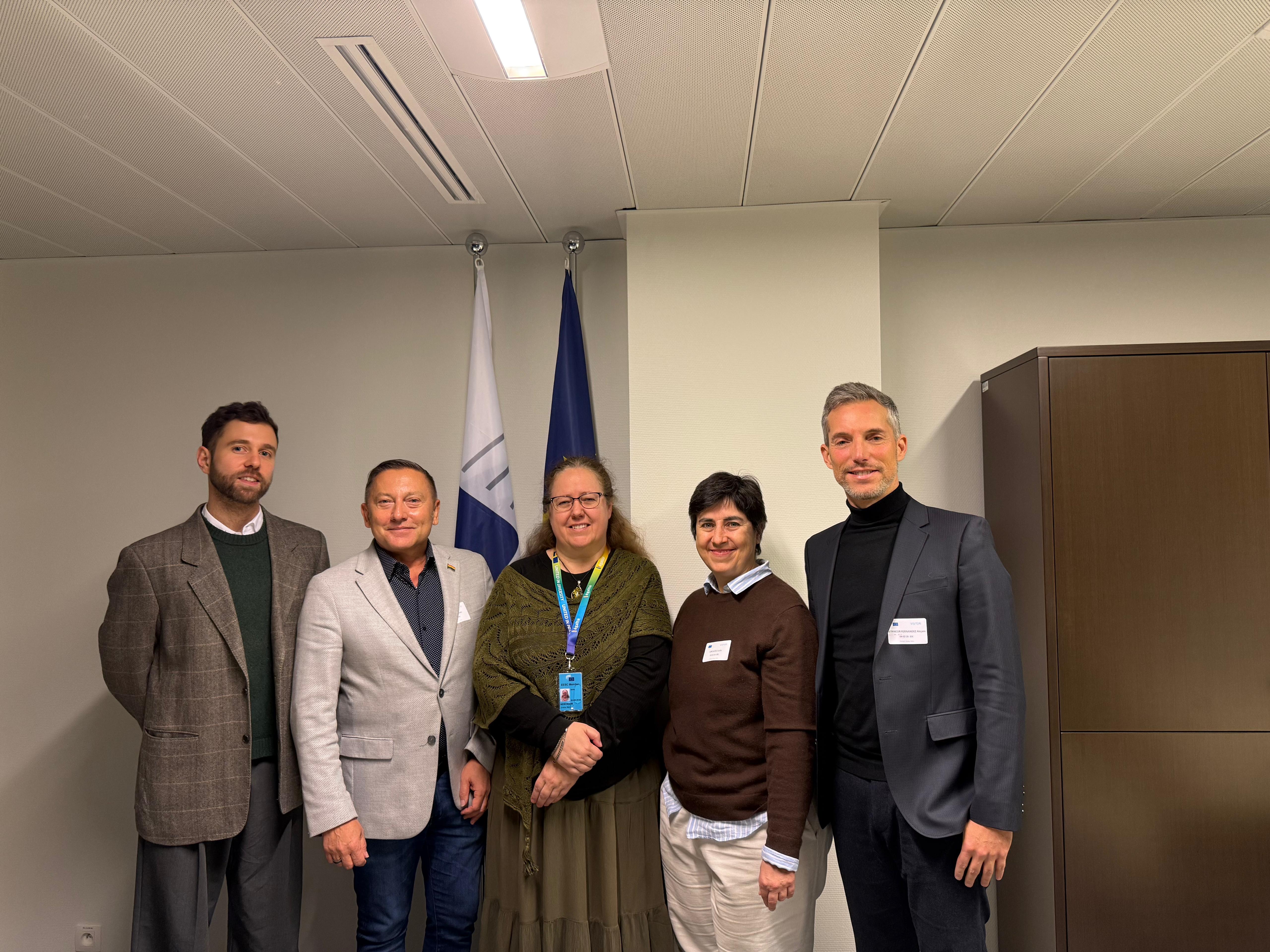
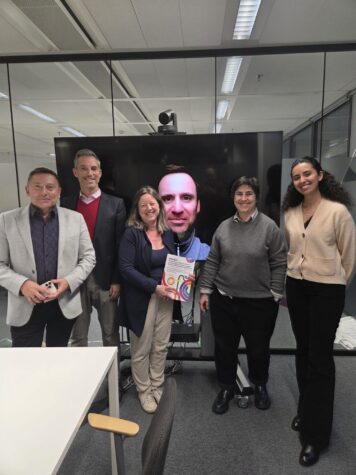
LGL Executive Director Vladimir Simonko and Project Manager Monika Antanaitytė joined forces with partners European Pride Business Network and Forbidden Colours for a high-level advocacy missions in Brussels on February 2-4, 2026.
The two missions brought together EU policymakers to demonstrate that defending LGBTIQ+ rights is an integral part of the EU’s role in a changing world, particularly as Europe’s adversaries have weaponized the fight against equal rights as part of information warfare against the EU. The protection of LGBTIQ+ rights is both a matter of economic sovereignty, competitiveness and progress, and a fundamental security and survival issue, as the “traditional values” narrative imported from authoritarian states represents a form of modern hybrid attack on democracy.
The delegations participated in over 30 meetings with decision-makers, including members of the European Parliament, European Commission officials from various Directorates-General (Employment, Justice, Connect), cabinet members of Commissioners, and LGBTIQ+ organizations operating in Brussels. The mission focused on three key priorities: strengthening Digital Services Act (DSA) measures to ensure LGBTIQ+ people’s rights in the digital space, ensuring implementation of European Court of Justice rulings on LGBTIQ+ rights, and reinforcing AgoraEU/CERV+ funding priorities in the next multiannual financial framework.
The advocacy efforts targeted members of the LGBTIQ+ parliamentary group, special committee leaders, and policy advisors across various cabinets, emphasizing that over 30 million European citizens are directly affected by equality measures – representing a potential $1 trillion economic opportunity through full inclusion. Key discussions addressed advancing the Horizontal Anti-Discrimination Directive, exploring possibilities for a European DEI Directive, supporting conversion therapy bans, and strengthening protections for victims of violence. The partners underscored that measures to counter the importation of anti-equality narratives must be taken now to protect both democratic values and European security, positioning LGBTIQ+ rights as essential to the EU’s competitive edge and resilience.